
Why Crowns Fail (And How to Help Yours Last Longer)
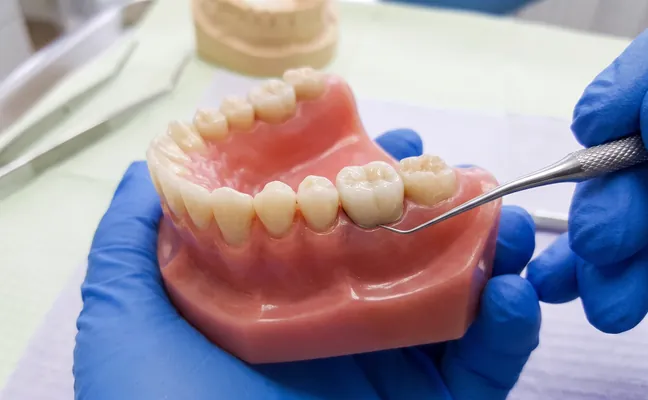
If you already have a crown, you probably assume the tooth is "fixed." In reality, a crown is a strong protective cap, but it still depends on the health of the tooth underneath, the fit at the edges, and how your bite forces hit that area every day. Understanding why crowns fail helps you avoid preventable problems like loosening, chipping, or decay along the crown margin.
This guide is for patients who already have crowns and for anyone researching dental crowns in Apex NC or dental crowns in Cary NC and wondering, "How long will it last?" At Apex Smiles, Dr. Vinay N.Chirnalli and our team focus on helping patients protect their restorations with practical, realistic habits, not guesswork.
TL;DR - Crown Problems Usually Start Small
Most crown failures are not sudden mysteries. They tend to begin with a small change (a rough edge, a slightly "high" bite, new sensitivity, or gum irritation) that gets worse when ignored.
- Decay at the crown edge is one of the most common reasons a crown needs replacement.
- Clenching/grinding can crack porcelain, loosen cement, or stress the tooth underneath.
- A bite that feels "off" after a crown is placed can lead to chips or soreness.
- A loose crown is time-sensitive because bacteria and food can leak underneath.
- Consistent cleaning and checkups help crowns last longer and catch issues early.
In our previous blog, "Whitening Results: What It Fixes (And What It Can't)" we discussed how existing restorations like crowns do not whiten the way natural enamel does. In this article, we focus on what can cause a crown to fail and what you can do to reduce the risk.
What "Crown Failure" Actually Means
Patients often picture failure as a crown falling out. That can happen, but there are other common failure patterns, including:
- The crown loosens (it may rock slightly or feel like it moves when you floss).
- The crown chips or cracks (especially on back teeth that take heavy chewing forces).
- The tooth gets decay at the margin (the edge where crown meets tooth).
- The tooth underneath fractures (sometimes related to old fillings, root canal-treated teeth, or bite stress).
- Gum irritation or recession makes the edge more exposed and harder to keep clean.
Top Reasons Dental Crowns Fail in Apex and Cary
1) Decay at the Crown Margin (Cavities Under Crowns)
A crown covers the tooth, but it cannot protect the thin seam where the crown meets natural tooth structure. If plaque sits there, decay can begin at the edge and spread underneath. This is one reason maintenance matters just as much as the original procedure.
If you want a refresher on what crowns are designed to do and when they are recommended, see our dental crowns service page.
2) Heavy Bite Forces From Clenching or Grinding
Crowns are strong, but they are not indestructible. Patients who clench or grind (often during sleep) can overload the crown and the tooth supporting it. Over time, this can contribute to chips, fractures, or loosening.
3) A "High" Bite or Uneven Contact
If a crown hits first when you bite down, it can take more force than intended. That extra stress can cause soreness, micro-cracks in porcelain, or strain on the tooth and supporting tissues. If your bite feels different after a crown, it is worth checking sooner rather than "getting used to it."
4) Cement Breakdown or Bonding Issues
A crown relies on a secure seal. Over time, cement can weaken, especially if the crown is under heavy stress or if the margins become exposed. When the seal is compromised, you might notice sensitivity, a bad taste, or food packing around the crown.
5) Gum Changes That Expose the Crown Edge
Gum recession can expose the margin of a crown and create a new plaque-trap area. That does not automatically mean the crown is "bad," but it does mean cleaning needs to be more intentional and regular exams become even more important.
6) The Tooth Under the Crown Was Already Weakened
Some teeth need crowns because they have large fillings, cracks, or have had root canal treatment. In those situations, a crown may be protecting a tooth that is already structurally compromised. The goal is still long-term function, but the tooth may need closer monitoring than a tooth that was crowned for a smaller issue.
Symptoms You Should Not Ignore
If you have any of the symptoms below, it is smart to call your dentist. Many crown problems are easier to address early.
- New sensitivity to cold, sweets, or pressure on a crowned tooth
- Pain when biting (especially a sharp "zing" when you release your bite)
- A crown that feels loose or shifts slightly
- Food trapping or floss tearing at one spot around the crown
- Visible chipping or a rough edge you can feel with your tongue
- Swollen or bleeding gum right around the crown edge
How to Make a Crown Last Longer (Practical, Daily Habits)
Clean the Margin Like It Matters (Because It Does)
The most important zone is the crown edge near the gumline. Brush carefully along the gumline and floss daily. If floss tends to catch, slide it out through the side instead of snapping it upward.
Avoid the "Tooth-as-a-Tool" Trap
Crowns can fail from non-food habits: biting pens, opening packaging with teeth, chewing ice, or cracking nuts. These are common ways patients chip porcelain or stress the underlying tooth.
If You Grind, Protect Your Investment
If you suspect clenching or grinding (morning jaw soreness, headaches, worn teeth, or repeated chips), ask about options to reduce bite stress. Protection is especially important for patients who have multiple restorations.
Keep Regular Preventive Visits
Cleanings and exams help detect early margin breakdown, gum inflammation, or bite issues before they become a bigger repair. If you are looking for ongoing care with a dentist in Apex NC, we encourage you to keep preventive visits consistent, even when everything "feels fine."
For a broader overview of keeping teeth and gums healthier long-term, our preventive dentistry page explains what preventive care typically includes.
When a Crown Problem Is an Emergency
Some crown situations can wait a short time, but others should be addressed quickly to avoid tooth fracture, pain, or infection risk.
- Call promptly if the crown is loose, the tooth underneath is exposed, or you have swelling or significant pain.
- Do not glue it back with household adhesives.
- Avoid chewing on that side until you are evaluated.
If you are dealing with sudden pain or a broken tooth, visit our emergency dentistry page for more context on what usually qualifies as urgent.
Experience-Based Note From Our Team
In day-to-day care, we often see crown issues become more complex when patients wait through months of "minor" symptoms, like a small chip or occasional sensitivity. The earlier a crown is checked, the more likely the solution stays simple, whether that is a bite adjustment, smoothing a rough edge, or treating a margin problem before it spreads.
FAQs
Crown longevity varies by tooth location, bite forces, and home care. Many crowns last for years, but habits like clenching/grinding and decay risk can shorten lifespan. A dental exam can help estimate risk factors and plan maintenance.
Common warning signs include a crown that feels loose, new pain or sensitivity, a bad taste or odor, chipping, or a bite that suddenly feels off. These can indicate cement breakdown, fracture, or decay at the margin and should be checked promptly.
Keep the crown if possible, avoid chewing on that side, and call your dentist for guidance. Do not use superglue or household adhesives. The tooth underneath can be sensitive and more likely to break or decay when left uncovered.
Yes. A crown does not make the tooth immune to cavities. Decay can develop at the edge of the crown (the margin), especially if plaque collects there or if the fit is compromised. Consistent brushing, flossing, and regular checkups help reduce risk.
If you clench or grind, a night guard is often recommended to reduce stress on crowns and natural teeth. Grinding can contribute to chipping, cracks, loosening, and jaw discomfort. Your dentist can advise whether a guard is appropriate for your bite.
Related Reading
- Dental crowns
- Dental inlays and onlays
- Emergency dentistry
- Preventive dentistry
- Financial information
Conclusion
A crown is meant to protect a compromised tooth and restore comfortable chewing, but it still needs the right daily care and regular monitoring. If you notice early warning signs like sensitivity, a rough edge, or a bite that feels different, getting it checked quickly can help prevent a small problem from turning into a bigger one.
Call To Schedule
If you are concerned about an existing crown or you are considering dental crowns in Apex NC or Cary, call Apex Smiles at 919-380-8888 to schedule a visit.